Tribal people live in remote hamlets in hilly, forested, or desert areas where illiteracy, difficult physical conditions, malnutrition, lack of potable water, and lack of personal hygiene and sanitation make them vulnerable to disease.
There is no better indicator of tribal deprivation than child mortality, which is startlingly high among rural tribal children, at about 100 deaths per 1,000 live births compared with 82 for all children in 2005.
Pregnant tribal women in India are often denied access to antenatal care, which can put their health at risk and reduce the effectiveness of pregnancy-prevention measures.
India's Scheduled Tribes have not seen any considerable progress over the years. However, nearly half of the country's tribal population is still in poverty. Not only do these groups face an additional burden of poverty, but they also have facing higher birth rates, lower life expectancy, higher infant mortality and greater sexual/communicable disease risk than other populations. This program seeks to address some of these problems and improve the quality of life for tribal women and children by providing them with access to high-quality health care services.
Summary
Improve maternal health status, increasing the number of pregnant women receiving pre and post natal care as well as increasing institutional delivery through advice, medicinal support and referral services and basic health and hygiene practices to reduce the common ailments among 100,000 populations in poor and needy people.
Challenges
Lack of awareness of health issues.
Lack of health facilities in remote rural areas.
Lack of emergency transportation.
Discriminatory behavior by health care providers.
Financial constraints.
Solution
Raising Awareness of Health Issues.
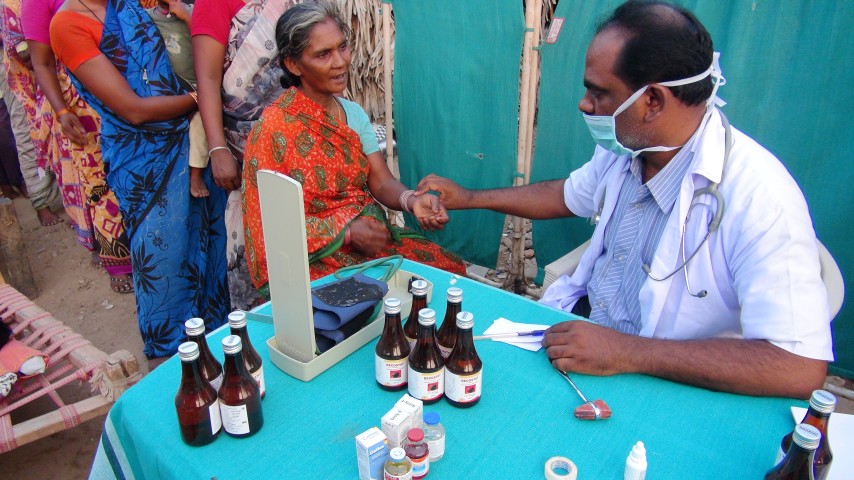
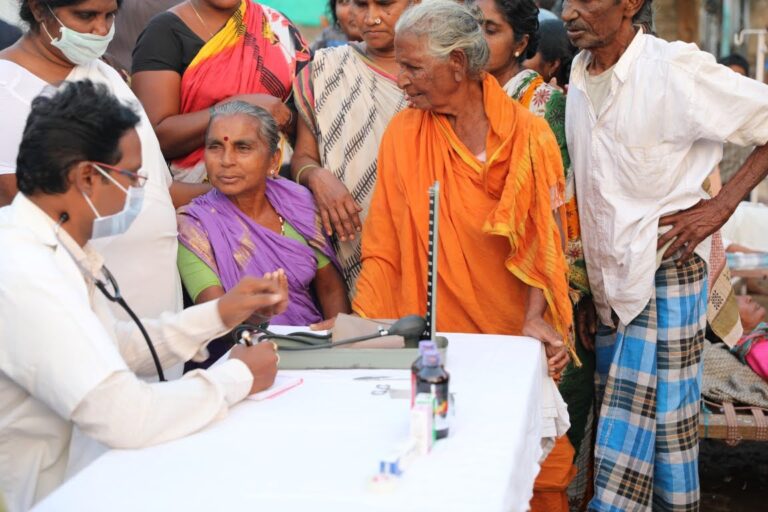
Bringing Mobile Medical Aid to Remote Populations.
Providing Emergency Transportation for Expectant Mothers.
Employing Health Workers from Tribal Communities.
Changing the Behavior of Health Care Providers.
Providing Financial Support.
Long Term Impact
Taken together, these activities in Tribal areas have significantly contributed to better access to health care by poor, underserved tribal populations. Almost all the services have been provided through public private partnerships. Performance data clearly reveal a robust and rising uptake of services. Patient Satisfaction Surveys conducted by independent agencies indicate that counselors, citizens help desks, mortuary vans, etc. were particularly valued by these populations.
As the primary focus for the Medical Aid Project, it is essential that Mobile medical care services provided are being qualitative & affordable. Qualified health staff are appointed to ensure that the service.
For the Mobile medical camps to be successful, it's important all services are provided free of cost/subsidized rates that make them accessible for local communities. WASH Society has its own well equipped Mobile medical camp Vehicle and the vehicle will move to communities on scheduled dates and provide door step service.
To sponsor a Mobile medical camp to a Tribal and rural community Donate here.