Disaster Relief
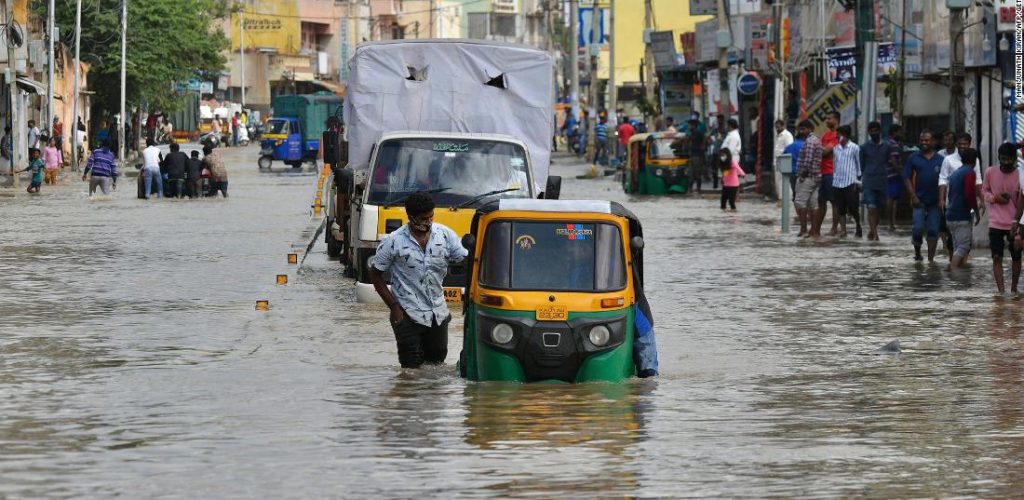
WASH Society in its pursuit of promoting strategic giving and supporting vulnerable communities has constructively engaged with donors, civil society and government authorities to respond to disasters. India is one of the most disaster prone countries in the world. Its high degree of socio-economic vulnerability makes it highly vulnerable to floods, droughts, cyclones, earthquakes, avalanches and forest fires.
India is one of the most disaster prone countries in the world. WASH Society has constructively engaged with donors, civil society and government authorities to respond to disasters. The WASH Society collects funds for disaster relief through campaigns, donations and sponsorships. The organization works closely with local governments and civil society organizations to provide assistance in every region across India
WASH Society aims at supporting the initiatives of vulnerable communities which are in need of support after being disadvantaged by extreme climatic conditions. Terrorism and conflict situation continues to remain a concern for the majority of its beneficiaries. As a part of our strategic giving programme, WASH has also developed partnerships with several donor organizations to help us leverage our donation funds effectively in disaster relief efforts.
WASH Society has supported a number of disaster resilient communities in India, including earthquake affected areas, tsunami affected communities and survivors of floods. We continue to work with our partner organisations and partners to ensure a sustainable response to disasters in the future.
Women and children, particularly from marginalized communities, are adversely impacted by recurrent floods, droughts, severe weather or conflict. As such they lack the resources to cope with natural disasters resulting in women losing their livelihoods and children being left without protection. Economic Adversity Reports is a tool that was developed by IIDD to help increase understanding of the impact of natural disasters on women and children, particularly those living in high risk areas.
Disasters have a huge effect on children. Living in disaster-prone areas can make it hard to go to school and study, because they do not have safe places or good facilities to learn. Many aspects of children’s lives are affected adversely including, but not limited to dropping out of school due to schools being used for other purposes such as shelters during natural disasters. Children also miss out on vaccinations because there are disruptions in health services, and the lack of nutritious food and clean water leads to illnesses and diseases. In addition during disasters there are also increased incidences of violence, exploitation and abuse as well as child marriage, trafficking and child labour.
If you wish to support Diaster relief efforts Please Click here.