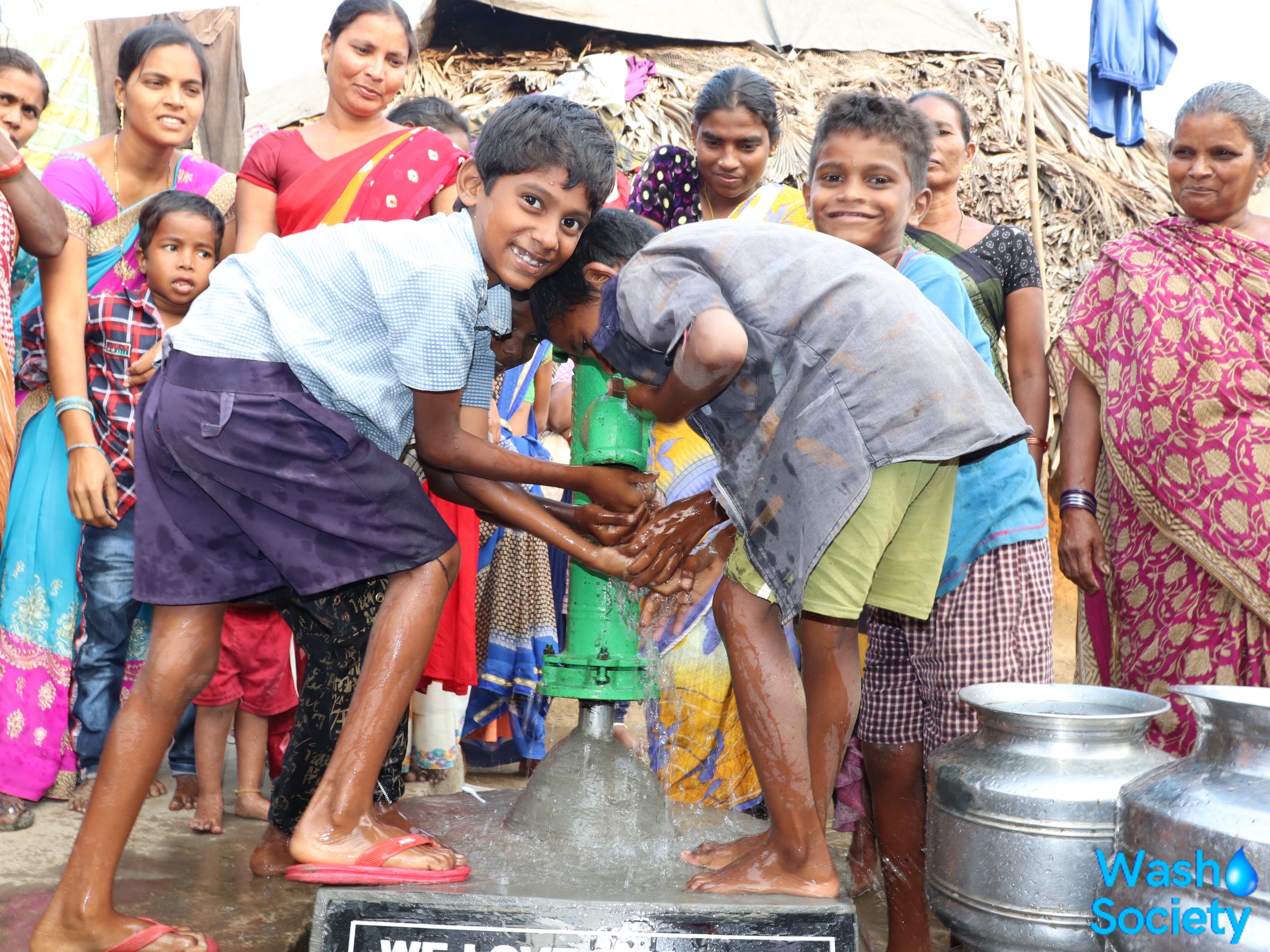
India is the world’s largest democracy, with 1.3 billion people. In 2008, WASH Society worked with local partners to develop a locally registered arm to work in tandem on projects funded by Indian corporations, foundations, and individuals. To date, we have reached over one million people through water and sanitation solutions.
WASH Society began working in India in 1986 and has been providing safe water and most basic sanitation solutions to people across the country. Since 1991 we have partnered with private companies, foundations, or individual donors to provide water for millions of poor families.
Work with us on community-scale water, sanitation and hygiene projects in India.
The Water Problem
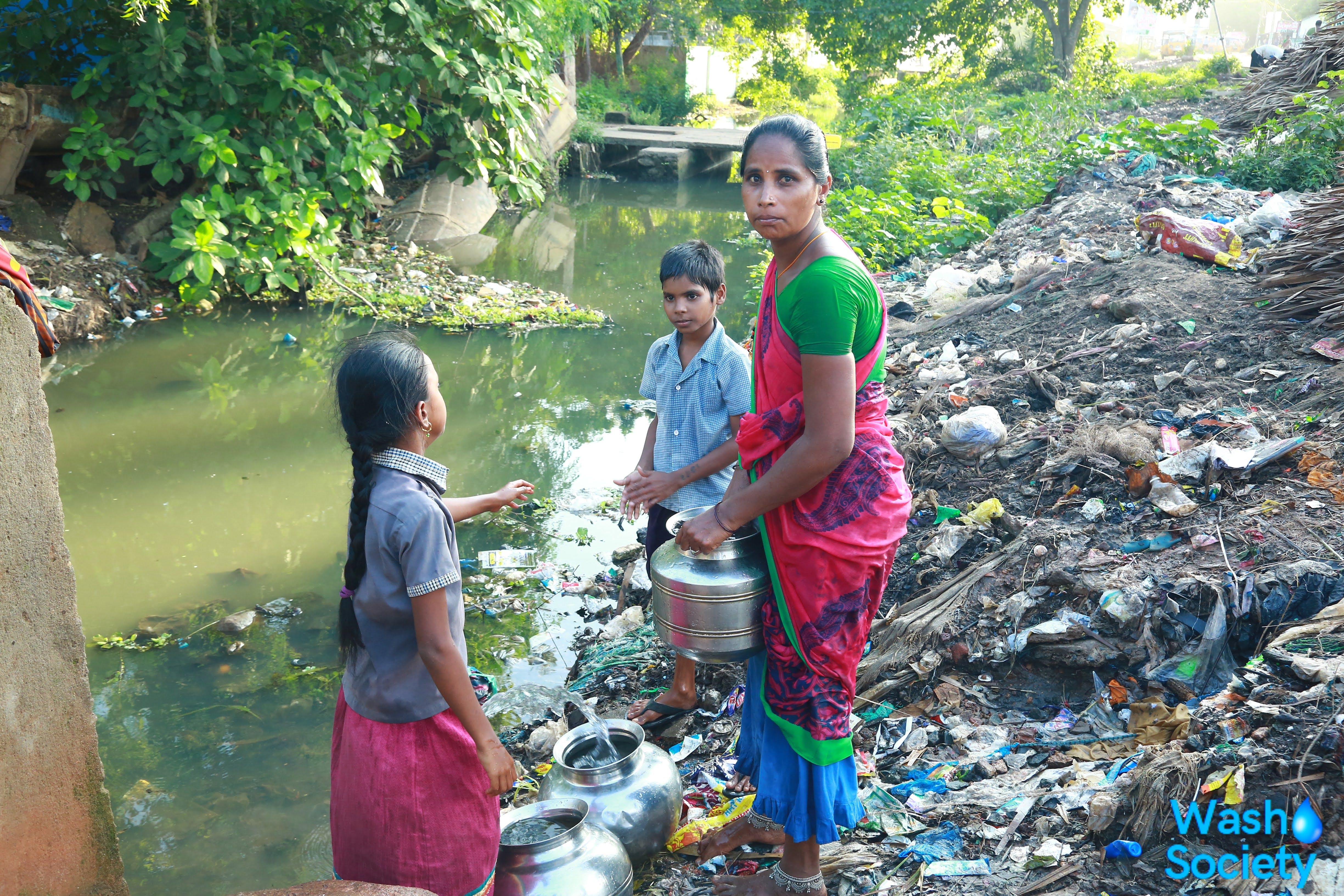
Imagine a young girl having to carry the weight of a standard airline bag (sometimes two at a time) on her head, for hours? Lack of clean water increases school drop out. It's unfair. Your involvement is essential in empowering women, girls and future generations. We believe that a woman’s quality of life directly relates to her quality of water.
The amount of water wells women and girls are able to access is directly related to their education level. They have the right to pursue their educational goals and receive the training necessary to enter the workforce. The more educated a woman is, the more likely she will be in a position of power both politically, economically and socially. This means healthier communities where everyone has equal access to clean water from an abundant source as well as adequate sanitation facilities within easy reach.
Water - Our Approach to the problem
Imagine a young girl having to carry the weight of a standard airline bag (sometimes two at a time) on her head, for hours? Lack of clean water increases school drop out. It's unfair. Your involvement is essential in empowering women, girls and future generations. We believe that a woman’s quality of life directly relates to her quality of water.
The amount of water wells women and girls are able to access is directly related to their education level. They have the right to pursue their educational goals and receive the training necessary to enter the workforce. The more educated a woman is, the more likely she will be in a position of power both politically, economically and socially. This means healthier communities where everyone has equal access to clean water from an abundant source as well as adequate sanitation facilities within easy reach.